Choosing a packaging material that is biodegradable isn’t just a green checkbox—it’s a strategic decision that can influence brand perception, cost, and environmental impact. In this guide we’ll walk through the practical steps, science, and a few lighthearted moments to help you navigate the maze of options and find the perfect fit for your products.
---
Understanding the Basics of Biodegradability
What Does “Biodegradable” Really Mean?
Biodegradability refers to a material’s ability to break down naturally by microorganisms into harmless by‑products like water, carbon dioxide, and biomass. It’s not a guarantee that a package will vanish in a single rainstorm; rather, it’s a gradual process that can take weeks, months, or even years depending on conditions.
The Difference Between Biodegradable and Compostable
- Biodegradable: Decomposes in the environment, but the rate and conditions vary. Compostable: Decomposes under specific industrial composting conditions, producing nutrient‑rich compost.
Knowing this distinction is essential because it affects where the material can be processed and how it will perform on the shelf.
---
Key Factors to Evaluate
1. Material Composition
| Material | Typical Biodegradability | Common Uses |
|----------|-------------------------|-------------|
| PLA (Polylactic Acid) | Compostable in industrial settings | Food containers, cups |
| Paper & Cardboard | Naturally biodegradable | Boxes, bags |
| Biodegradable PET | Breaks down slowly, requires additives | Bottles, packaging films |
| Hemp, Bamboo | Fast‑breaking, strong | Straps, wraps |
**Tip: Look for certifications like ASTM D6400 or EN 13432 to confirm compostability claims.
2. End‑of‑Life Pathways
- Industrial Composting : Requires high temperature and controlled moisture. Home Composting : Slower, but feasible for paper and some bioplastics. Landfill Degradation : Many biodegradable materials still persist for years in anaerobic conditions.
Ask your suppliers: “Where will this material end up?” The answer will shape your choice.
3. Performance Requirements
- Barrier Properties : Protects moisture, oxygen, and light. Mechanical Strength : Supports product weight and shipping stresses. Printability : Allows branding and regulatory labeling.
Balancing sustainability with performance is like walking a tightrope; a slight misstep can compromise either side.
4. Cost and Availability
Biodegradable materials often carry a premium, but bulk orders and supplier partnerships can mitigate costs. Additionally, consider the long‑term savings from reduced waste disposal fees and potential tax incentives.
---
Practical Steps to Choose the Right Material
Step 1: Define Your Product’s Needs
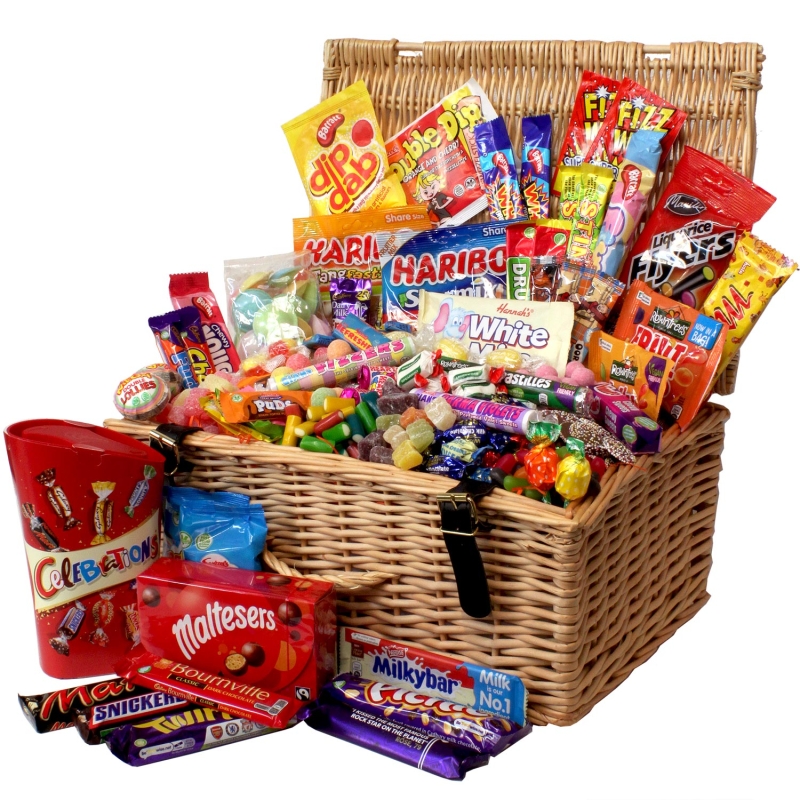
Start with a clear list of functional requirements. For example, chocolate gift baskets a fresh‑food container needs moisture resistance and a tight seal, whereas a cosmetic tube may prioritize aesthetic appeal and barrier integrity.
Step 2: Map the Supply Chain
Identify suppliers who can provide the material in the quantities you need and can meet your quality standards. Request samples and data sheets to verify biodegradability claims.
Step 3: Test Performance in Real Conditions
Run small batch tests to evaluate:
- Shelf life under typical storage temperatures. Mechanical stress during shipping simulations. Degradation rate in the intended disposal environment.
“Testing is the best way to avoid surprises,” says Dr. Maya Patel, a materials scientist at GreenPack Labs. “It’s like a dress rehearsal before the big performance.”
Step 4: Evaluate Regulatory and Market Acceptance
Check local regulations for packaging materials, especially if you export. Some regions have strict composting requirements or bans on certain bioplastics.
Step 5: Make the Decision
Weigh the pros and cons of each option. Use a decision matrix to score materials against criteria such as cost, performance, biodegradability, and supplier reliability.
---
Common Misconceptions and How to Avoid Them
- Misconception : All biodegradable materials can be composted at home.
---
Anecdote: The “Eco‑Friendly” Mistake
Last year, a mid‑size snack company switched to a supposedly “green” packaging film made from a new bioplastic. They celebrated the first batch, only to discover that the film didn’t seal properly, causing product spoilage. The lesson? Sustainable choices still need to meet the same rigorous standards as conventional materials. A quick prototype test could have saved them a costly recall.
---

Rhetorical Questions to Ponder
- Do you want your packaging to be a silent partner in environmental degradation, or a proactive ally in waste reduction? How will your customers perceive your commitment if the packaging fails to perform? Are you ready to invest the time and resources in a thorough material selection process?
These questions help clarify the stakes and motivate a thoughtful approach.
---
Making Your Selection Count
When you’ve identified the ideal biodegradable material, it’s time to integrate it into your brand story. Highlight the environmental benefits on your packaging, in marketing materials, and on social media. Transparency builds trust, and customers appreciate knowing the science behind the choice.
Remember, choosing a packaging material that is biodegradable is more than a trend—it’s a statement about responsibility and innovation. By following a systematic evaluation, testing, and validation process, you’ll not only meet regulatory standards but also create a product experience that resonates with eco‑conscious consumers.
Take the next step: reach out to suppliers, request samples, and let the data guide your decision. Your brand’s future—and the planet’s—will thank you.